
Climate Mitigation
Captures atmospheric carbon and traps it deep in the earth.
Extreme Weather Resilience
Healthy, sponge-like soil absorbs more water, protecting crops from severe droughts and floods.
Regenerative Farming
Regenerative farming is a holistic method of land management that focuses on restoring and improving the health of the soil rather than depleting it. Unlike conventional farming, which often relies on synthetic chemicals and heavy plowing, regenerative agriculture works with natural ecosystems to increase biodiversity, improve water cycles, and naturally sequester carbon in the ground.
Nutrient-Dense Food
Biologically active soil leads to more nutritious food crops.
Economic Viability
Lower expenditures on chemical inputs significantly improve long-term profitability for farmers.

Minimizing Soil Disturbance
Practicing no-till farming protects the soil structure and underground microbial networks.

Keeping Soil Covered
Using cover crops or leaving plant residue protects the ground from erosion and retains moisture.
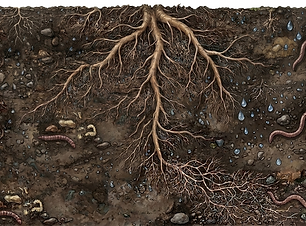
Maintaining Living Roots
Ensuring roots are in the ground year-round feeds beneficial microbes and cycles nutrients.

Enhancing Biodiversity
Rotating crops and avoiding monocultures disrupts pest cycles and naturally builds nutrient-rich soil.

Integrating Livestock
Using planned, rotational grazing allows animals to naturally fertilize the fields while preventing overgrazing.

Reducing Chemical Inputs
Replacing synthetic fertilizers and pesticides with natural compost and ecological pest management.